19 November 2026
Local Guide to TRT Replacement Therapy Near Me
Presented by @rowanidox355
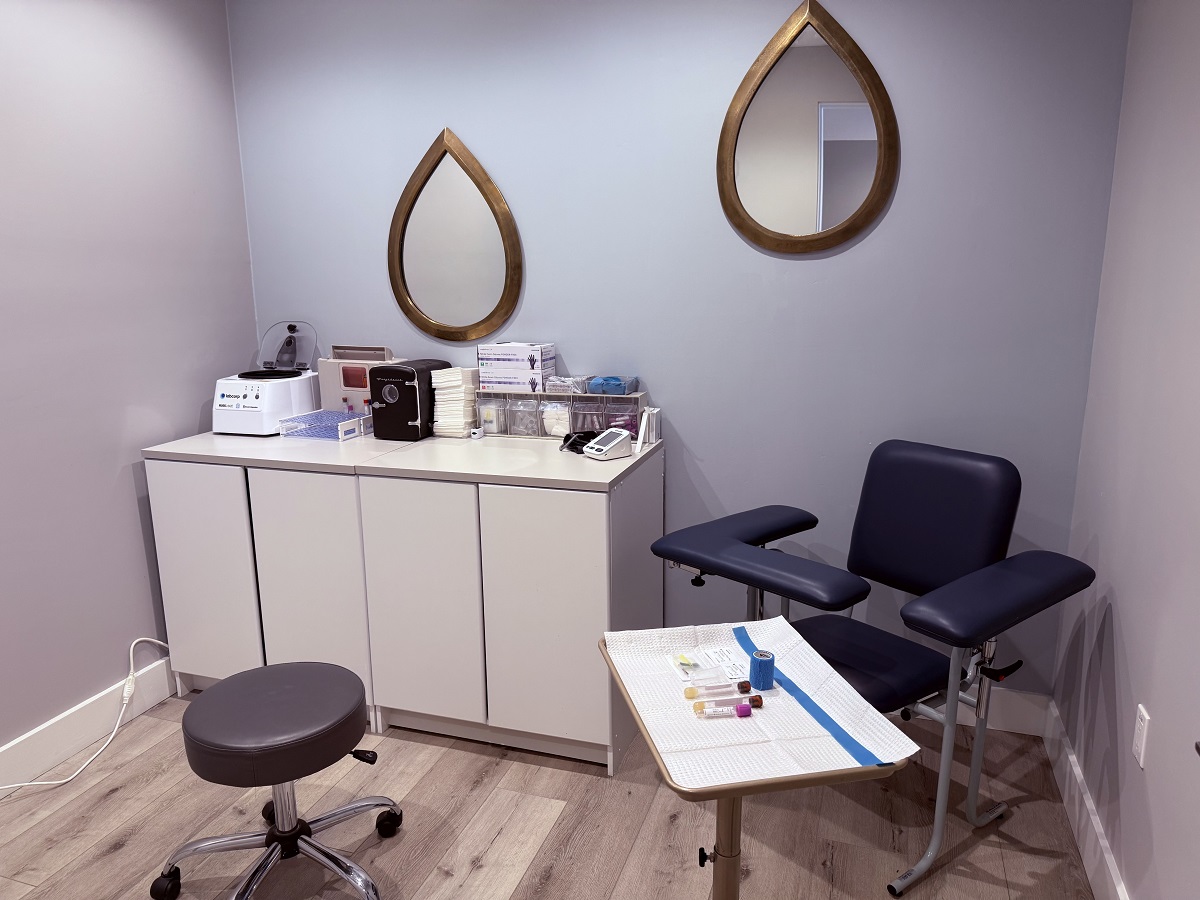
Typing “Trt replacement therapy near me” into a search bar usually happens at a very specific moment. A man has been dragging through the afternoon for months, maybe years. His workouts have gone flat. Sleep is lighter, recovery slower, sex drive less reliable, mood shorter, focus fuzzier. He may have blamed stress, age, poor sleep, work pressure, or a few extra pounds. Sometimes he is right. Sometimes testosterone is part of the picture. The hard part is telling the difference.
That distinction matters because testosterone replacement therapy, often shortened to TRT, is not a Trt replacement therapy near me generic energy treatment. It is medical care for men with symptoms of low testosterone and lab evidence that supports the diagnosis. Done well, it can improve quality of life in a real and measurable way. Done casually, or started for the wrong reasons, it can create more problems than it solves.
If you are trying to find local care, the goal is not simply to locate the nearest clinic. The goal is to find the right clinician, the right workup, and the right treatment plan for your body, your goals, and your long term health.
What TRT actually treats
TRT is designed for men with hypogonadism, meaning the body is not producing enough testosterone for normal function. Symptoms vary, and the reason many men delay evaluation is that low testosterone rarely shows up as one dramatic event. It usually appears as a cluster of smaller changes that build over time.
A patient might say he no longer feels sharp at work, even though his schedule has not changed. Another says he still goes to the gym four times a week, but strength is slipping and soreness hangs around longer than it used to. Some notice increased body fat around the midsection despite no major dietary change. Others come in because of low libido or fewer morning erections, which is often the symptom that finally pushes them to book an appointment.
Here is the part that experienced clinicians pay attention to: those same complaints can also come from obstructive sleep apnea, excess alcohol use, depression, thyroid disease, chronic stress, medication side effects, poor nutrition, overtraining, insulin resistance, or simply not sleeping enough. That is why any clinic that tries to diagnose low testosterone from symptoms alone is taking shortcuts.
Why local care can make a real difference
Telemedicine has made hormone treatment easier to access, and for some patients it is a good option. Still, there are advantages to finding care close to home, especially when you are just starting out.
Local care makes physical exams easier. It makes repeat labs less cumbersome. It gives you a place to go if you develop side effects, need injection teaching, want a second set of eyes on blood pressure or fluid retention, or need a coordinated referral to a sleep specialist, urologist, or fertility expert. In practice, convenience changes adherence. Men are far more likely to stay on top of monitoring when the clinic and laboratory are part of their normal routine.
There is also the simple matter of accountability. A nearby physician or advanced practice clinician who knows your history and sees you face to face often has a clearer picture than a remote service working from a limited intake form. Hormone care tends to go better when someone is watching the whole patient, not just the total testosterone number.
The first appointment should feel thorough, not rushed
One of the easiest ways to judge a clinic is by what happens before anyone offers a prescription. Good TRT care starts with questions, and usually more of them than patients expect.
A careful clinician will ask about sleep, body weight, stress, diet, exercise, libido, erectile function, fertility plans, head injury history, alcohol intake, medication use, and prior anabolic steroid exposure. He or she should also ask about family history, especially prostate cancer, heart disease, blood clots, and metabolic conditions.
Then comes lab work. A proper workup often includes morning total testosterone, and usually repeat testing on a different day if the first result is low or borderline. Depending on the case, free testosterone, sex hormone binding globulin, luteinizing hormone, follicle stimulating hormone, estradiol, complete blood count, comprehensive metabolic panel, thyroid markers, and prostate specific antigen may also be appropriate. Men with obesity or suspected insulin resistance may need additional metabolic screening. Men with heavy snoring, daytime sleepiness, or resistant hypertension may need evaluation for sleep apnea before or alongside TRT.
This can sound like a lot, but it is often what separates smart treatment from guesswork.
What to look for when comparing clinics nearby
The local TRT market is mixed. Some clinics are excellent. Some are little more than cash based testosterone dispensaries dressed up with glossy branding. Most men do not know how to tell the difference at first glance, so it helps to know the practical signs.
A strong clinic usually does a few things consistently:
- It requires labs before treatment and repeat labs after treatment begins.
- It discusses alternatives and contributing factors, not just testosterone itself.
- It asks about fertility before prescribing.
- It explains side effects, monitoring, and realistic timelines.
- It has a plan for long term follow up, not just monthly refills.
The opposite pattern is worth noticing. If a clinic promises that almost any tired man is a candidate, pushes treatment after one borderline result, or brushes off questions about sperm count, sleep apnea, or blood thickness, that is a concern. So is a sales process that feels more like buying a supplement package than entering a medical relationship.
Primary care, urology, endocrinology, or men’s health clinic?
There is no single best doorway into TRT. The right setting depends on the complexity of your case and the experience of the provider.
Primary care physicians can be a good first stop, particularly for men who want a broad health evaluation before jumping into hormone treatment. A thoughtful primary care clinician may catch issues like diabetes, obesity, depression, or severe sleep deprivation that are contributing to symptoms. If the case is straightforward and the physician is comfortable managing TRT, that may be enough.
Urologists often handle testosterone deficiency as part of men’s sexual and reproductive health. They are especially useful if symptoms overlap with erectile dysfunction, prostate concerns, testicular issues, or fertility questions. Endocrinologists are helpful when the hormonal picture is more complicated, such as pituitary disease, prior head trauma, unusual lab patterns, or multiple endocrine problems.
Dedicated men’s health clinics can be excellent if they are medically rigorous. They can also be highly variable. Some provide attentive follow up and nuanced dose adjustment. Others lean hard into convenience and sales. The clinic name matters less than the discipline of the medical process.
How diagnosis should be made
Low testosterone is not diagnosed from one bad afternoon and one lab result. Testosterone levels fluctuate. Sleep matters. Illness matters. Weight matters. Timing matters. Morning testing is standard because levels are generally highest earlier in the day, especially in younger men. Even in middle age, consistency improves interpretation.
Experienced clinicians also care about whether the lab result fits the clinical picture. A man with obvious symptoms and repeatedly low morning testosterone levels deserves careful consideration. A man with vague fatigue and a borderline level after poor sleep or recent illness may need a wider evaluation first.
This is where many online conversations go off track. People often speak as if one number determines everything. In practice, medicine is more contextual than that. Two men can have the same total testosterone level and very different symptom patterns, body composition, sleep quality, and medical risks. A good local clinician will treat the person, not the screenshot.
Treatment is more than a vial and a needle
Once a patient truly qualifies, the next question is how treatment will be delivered. Injectable testosterone is common because it is effective, familiar, and often less expensive than some alternatives. Gels, creams, and other formulations exist as well, and each has practical trade offs.
Injections can provide reliable absorption, but they require comfort with self administration or regular office visits. Dosing schedules vary, and men often feel best when large peaks and troughs are avoided. Topical formulations avoid needles, but they require daily use and can be less convenient for men with close skin contact at home because transfer risk has to be managed carefully.
There is no universal best method. A man who travels frequently for work may prefer one route. A man with young children at home may prefer another. Cost, insurance coverage, lifestyle, skin sensitivity, and comfort with needles all influence the choice.
One of the most useful signs of good local care is that the conversation does not stop at “here is your prescription.” It includes how to administer the medication, what changes to expect, when to repeat labs, what side effects to watch for, and how dose adjustments will be handled.
What improvement usually looks like, and what it does not
The men who do best on TRT tend to start with grounded expectations. Testosterone is not magic. It does not erase poor sleep, reverse years of overeating, or create motivation out of nowhere. It can, however, improve the biological foundation that makes healthy behavior easier to sustain.
Some men notice changes in libido or energy within a few weeks. Strength and body composition shifts usually take longer, especially if training and nutrition are inconsistent. Mood and mental clarity can improve, but not always in the dramatic, overnight way marketing copy implies. For many patients the result is subtler and more meaningful: they feel more like themselves again.
It is also important to know what TRT may not fix. If the core issue is severe sleep apnea, chronic anxiety, depression, heavy alcohol use, or a chaotic work schedule that limits sleep to five hours a night, testosterone alone may disappoint. A clinician with local follow up can help separate treatment failure from incomplete diagnosis.
Side effects and monitoring deserve serious attention
Every effective hormone treatment has potential downsides, and honest care requires naming them clearly. Testosterone can raise hematocrit, meaning the blood becomes more concentrated. That is one reason regular blood counts matter. Men with untreated sleep apnea, smoking history, or certain other risk factors may be more vulnerable to this issue.
Acne, oily skin, fluid retention, breast tenderness, and mood shifts can occur. Some men notice an increase in blood pressure. Estradiol changes can matter, although the response should be based on symptoms and context, not reflexive overcorrection. In some cases, testosterone can worsen preexisting prostate symptoms, which is one reason urinary issues deserve discussion up front.
The fertility issue is one of the most commonly misunderstood points in practice. Exogenous testosterone can suppress the body’s own sperm production, sometimes significantly. That does not mean every man becomes infertile forever, but it does mean men who want children now or in the near future need a very different conversation before starting therapy.
A solid local clinician will not treat follow up as an afterthought. Monitoring is the treatment, not a side service attached to it.
Fertility plans change the entire discussion
I have seen more than one patient shocked to learn that the therapy he thought would “optimize hormones” could interfere with conception efforts. That conversation is painful when it happens late and very manageable when it happens early.
If you are trying to conceive, or even think you might want children in the next year or two, say it clearly in the first visit. There may be alternatives or adjunctive strategies depending on your diagnosis and goals. The right plan requires individualized care and often a clinician who understands reproductive endocrinology or men’s fertility in practical terms.
This is another reason local care helps. Fertility related decisions often involve coordination, repeat labs, and sometimes referrals. That is much easier when your treating team is accessible.
Costs, insurance, and the fine print people overlook
TRT pricing varies widely. Some men pay mostly through insurance, especially when evaluation and medications meet plan criteria. Others use cash pay clinics because access is faster or more convenient. The headline price rarely tells the full story.
Ask what is included. Does the quoted monthly fee cover follow up visits, lab review, repeat blood work, injection supplies, training, and dose adjustments? Are medications billed separately? What happens if you need more frequent monitoring during the first six months? Those details can turn a modest monthly price into a much larger annual commitment.
It is also worth asking how prescriptions are filled. Some clinics dispense directly. Others send prescriptions to local or specialty pharmacies. Neither model is automatically better, but transparency matters. You should know what you are paying for and why.
Practical questions to ask at the first visit
Many men walk into a consultation unsure what to ask, then leave with a brochure and only half the information they need. A short set of focused questions can save a lot of confusion.
- What testing do you use to confirm low testosterone before treatment?
- How often will you monitor labs once therapy begins?
- How do you handle fertility concerns or future family planning?
- What side effects do you watch most closely in your patients?
- If my symptoms do not improve, how do you reassess the diagnosis?
Notice that none of these questions are about getting the highest dose possible. The point is to understand how the clinic thinks. You are trying to find judgment, not enthusiasm alone.
Red flags that deserve a second opinion
Not every weak clinic is obviously reckless. Some simply cut corners in ways that are easy to miss when you are eager for relief. If a local provider seems rushed, evasive, or overly certain, it is reasonable to pause.
Be careful with any setting that treats testosterone as a lifestyle accessory rather than a medication with real physiologic effects. Be skeptical if the answer to every concern is “we can add another medication.” I have seen treatment stacks grow unnecessarily because nobody stopped to ask whether the original diagnosis and dosing plan were sound.
Another common red flag is poor follow through after the sale. The first visit is warm and responsive, then phone calls go unanswered once therapy starts. Hormone management requires adjustment. If access dries up the moment you become a patient, that clinic is telling you something about its priorities.
The role of lifestyle, even when TRT is appropriate
One uncomfortable truth in this space is that some men are looking for a hormone solution to a systems problem. If sleep is chronically poor, body fat is climbing, resistance Trt replacement therapy near me training is sporadic, protein intake is low, and alcohol use is high, testosterone levels may reflect that environment.
That does not mean every man with low testosterone should just “live cleaner” and tough it out. Many have true medical hypogonadism and benefit greatly from treatment. But the best outcomes usually come when TRT is paired with better sleep, better training, smarter nutrition, and attention to cardiovascular health.
Local clinics that handle this well often collaborate with primary care, cardiology, sleep medicine, or nutrition support when needed. They understand that improving a lab value is not the same as improving a life.
How to search smarter when you need care nearby
The phrase “Trt replacement therapy near me” is a starting point, not a decision. Search results will often favor aggressive marketers, clinics with paid advertising, and directories that reveal little about quality. Dig deeper.
Look for real information about the clinicians, not just the brand. Check whether the provider managing treatment is a physician, nurse practitioner, or physician assistant, and whether hormone therapy is a routine part of their practice. Read reviews with a filter. A review saying “they got me in quickly” is not as useful as one describing careful testing, thoughtful follow up, and clear explanations.
If possible, call the office before booking. Ask whether they require morning labs before prescribing, how follow up is scheduled, and whether they discuss fertility before treatment. The way the staff answers often tells you a lot. Clinics with sound systems usually give clear, confident responses. Clinics built around quick conversion tend to stay vague.
What a good long term relationship looks like
The best TRT care settles into a rhythm. Symptoms improve, labs are monitored, doses are adjusted carefully, and the patient understands what the treatment is doing and why. There is room for questions. There is a clear plan if blood counts rise, blood pressure changes, fertility becomes a priority, or symptoms fail to match the lab results.
That kind of relationship may not be the flashiest option in town. It may not come with the boldest promises or the slickest website. But it is usually the one that holds up over years, which is what matters if therapy is truly indicated.
Searching locally makes sense because proximity helps with consistency. Just remember that convenience should support quality, not replace it. The right clinic will not simply offer testosterone. It will offer a careful diagnosis, realistic guidance, close follow up, and the clinical judgment to know when TRT is the answer, and when it is not.
SDBody La Jolla
Address: 7710 Fay Ave, La Jolla, CA 92037
Phone number: +18584012383
FAQ About Trt replacement therapy near me
Will insurance pay for TRT therapy in La Jolla, CA?
Coverage varies by plan and may depend on the diagnosis, blood test results, medication and prior authorization. Ask your insurer which visits, lab tests and formulations it covers and what you would pay out of pocket.
What is the most affordable TRT clinic in La Jolla?
Compare written estimates for the initial visit, lab work, medication and follow-up monitoring. Your total cost will depend on your insurance and the care your clinician recommends.
Is TRT replacement good for you in La Jolla, CA?
Testosterone replacement may help some people with symptoms and consistently low testosterone confirmed by blood tests. A clinician can review the potential benefits, risks, fertility plans and monitoring needs before recommending treatment.