19 November 2026
TRT Replacement Therapy Near Me: What to Expect Month by Month
Presented by @rowanidox355

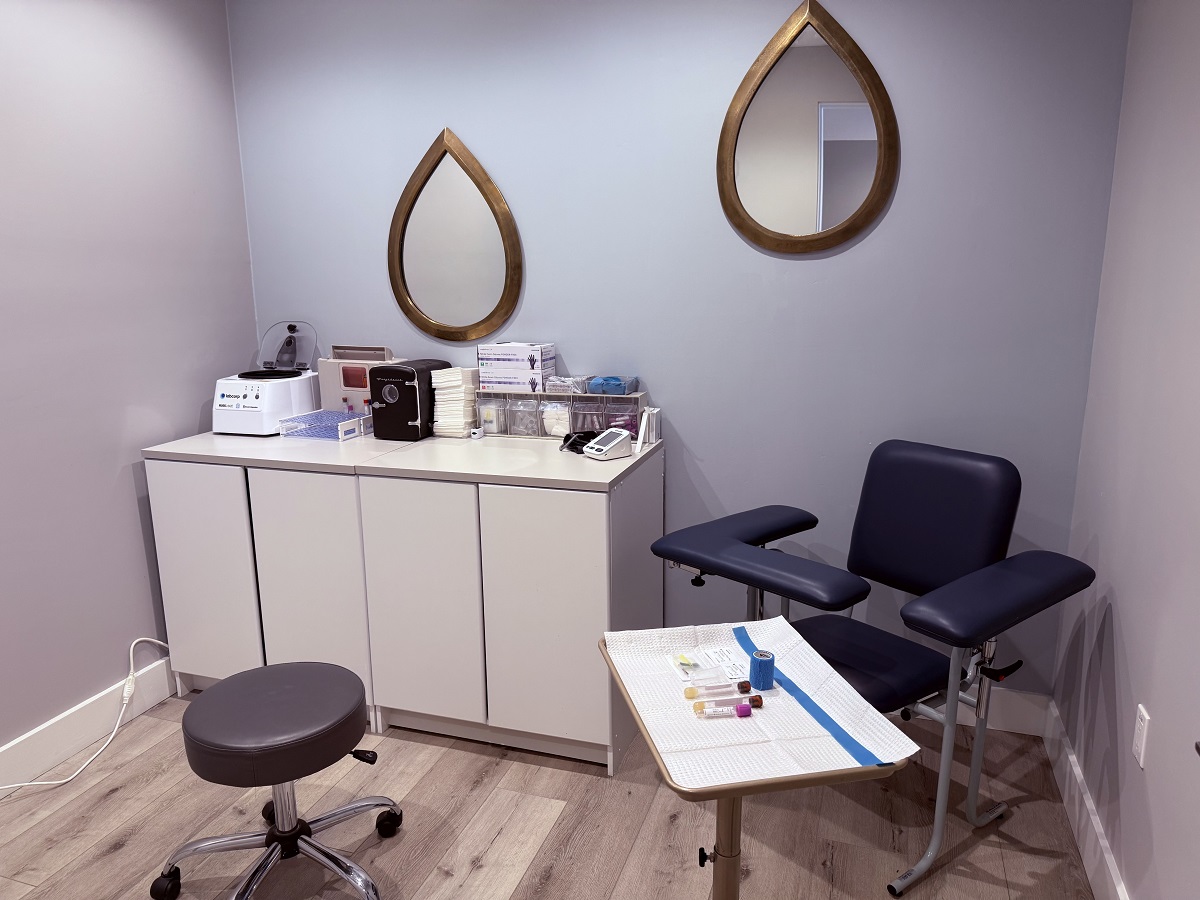

Searching for Trt replacement therapy near me usually starts the same way. A man has been dragging for months, sometimes years. Energy is flat. Workouts stall. Recovery gets slower. Libido drops off. Mood feels less steady, not necessarily depressed, but dulled, shorter-tempered, less resilient. Then the labs come back, or at least part of the picture comes into focus, and testosterone replacement therapy enters the conversation.
What many people want at that point is not a sales pitch. They want a realistic timeline. They want to know what the first appointment looks like, what happens in the first month, when benefits usually show up, what can go sideways, and how often the treatment plan changes before things settle down.
That is the part worth understanding, because TRT is rarely a light switch. Done well, it is a monitored process. The month-by-month experience tends to be more gradual, more data-driven, and more individual than most online summaries suggest.
Before treatment starts, the groundwork matters more than most people expect
A good clinic does not jump straight to a prescription after a two-minute sdbody.com Trt replacement therapy near me questionnaire. The better practices spend time figuring out whether low testosterone is truly the issue, whether it is primary or secondary, whether fertility matters, and whether symptoms match the lab picture.
Most men come in focused on a single number, total testosterone. That number matters, but it is not the whole story. A proper evaluation often includes free testosterone, sex hormone-binding globulin, estradiol, complete blood count, metabolic markers, and usually some look at thyroid function and general health. Depending on symptoms and history, a clinician may also review sleep, alcohol intake, body composition, stress load, medications, and possible sleep apnea. I have seen more than a few cases where poor sleep and untreated apnea were quietly undermining hormones and energy long before TRT entered the picture.
This phase can feel slower than patients want. That is not a flaw. It is often where the treatment avoids problems later.
A careful provider will also talk through the practical side. Testosterone can be delivered by injection, gel, patch, or pellet, though injections are the most common in many clinics because they are predictable and comparatively affordable. You may discuss dosing frequency, self-injection technique, follow-up lab timing, blood pressure monitoring, and the possibility that your first protocol may not be your long-term one.
That last point is important. Month one is often a starting point, not the finished product.
Month 1, starting treatment and learning your baseline in real life
The first month tends to be a mix of optimism and adjustment. Many men expect a dramatic surge within days. Some do feel an early lift, especially if levels were markedly low to begin with. More often, the first changes are subtle. Better sleep. Slightly more drive to train. Less of that heavy, late-afternoon crash. A small improvement in focus. Sexual thoughts may become more spontaneous again.
The clinic side of month one is practical. If you are using injections, this is when you learn technique, needle size, injection sites, storage, and schedule. Men who were nervous about self-injection often find that concern fades quickly after the first few times. What takes longer is getting used to the routine. A treatment that looks simple on paper still has to fit into actual life, especially for patients who travel, work shifts, or dislike anything medically structured.
You may also notice that symptoms do not improve in a neat straight line. Someone can feel better in week two, flat in week three, then better again in week four. That does not automatically mean the therapy is failing. Hormone levels are shifting, habits are changing, expectations are high, and sleep, food intake, training volume, and stress still matter. A rough workweek can blur the picture fast.
One common misconception shows up here. Patients often assume that if a friend got started on a certain dose, they should feel exactly the same on the same plan. That is rarely how it works. Baseline hormone levels differ. Body fat percentage affects aromatization. Some men metabolize medication faster. Some are more sensitive to peaks and troughs. A dose that leaves one man feeling stable may leave another feeling wired, puffy, or unchanged.
Month one is also when side effects sometimes announce themselves. The most common early complaints are mild water retention, oily skin, acne flare-ups, or a feeling that mood is slightly more intense than usual. Not everyone gets these, and many of them settle as the body adjusts. Still, they are worth reporting, because they can help guide dose and frequency decisions.
Month 2, the first real sense of direction
By the second month, most men have a clearer answer to the question everyone asks at the beginning: “Is this doing anything?”
If TRT is a good fit, month two is often when benefits become easier to recognize in daily life. Energy can feel steadier rather than suddenly high. Workouts may improve, especially in recovery between sessions. Sexual function often starts to normalize more noticeably. Morning erections may return more consistently. Motivation can improve in a practical way, less procrastination, more initiative, fewer excuses to skip the gym or crawl through the workday.
The emotional shift is often understated but meaningful. Men sometimes describe it as feeling more like themselves, not euphoric, just less flat. That distinction matters. A reputable clinic should not present TRT as a cure-all or as a stimulant. The goal is not to create an exaggerated version of you. The goal is symptom relief with physiologic stability.
This is also when follow-up labs often begin shaping the next step. Depending on the clinic and protocol, blood work may be checked around this time to see how serum levels are responding, whether estradiol has climbed, and whether hematocrit is trending upward. Those details influence whether the provider keeps the dose the same, lowers it, splits it into more frequent administrations, or looks at related issues such as blood pressure or sleep quality.
A lot of the fine-tuning in month two has less to do with “more testosterone” and more to do with reducing volatility. Some men feel better when weekly injections are divided into two smaller doses. Others do well on a simple once-weekly routine. There is no trophy for the most complicated protocol. The best plan is the one that gives symptom control, stable labs, and manageable logistics.
Month 3, where expectations meet physiology
Three months is a meaningful checkpoint. By now, you usually know whether the treatment is headed in the right direction. That does not mean Trt replacement therapy near me every symptom is fully resolved. It does mean there should be enough signal to judge response with more confidence.
Body composition changes may start becoming visible around this point, especially if nutrition and training are in order. Men often notice that they recover faster, hold onto muscle better, and make steadier progress in the gym. Fat loss can improve, but not because TRT magically melts body fat. What it more often does is improve the internal conditions that make consistent training and food discipline possible. Better energy and recovery lead to better compliance, and better compliance changes body composition.
Sexual health changes are also easier to evaluate in month three. Libido may be stronger and more reliable. Erectile quality may improve. If those symptoms have not changed at all despite normalized testosterone levels, that is a clue to look beyond hormones. Vascular health, stress, medication side effects, relationship strain, poor sleep, and glucose control all play roles that testosterone alone cannot fix.
This is the stage when men sometimes get impatient with imperfections. They feel better, but not perfect. The knee still hurts. Work stress still exists. Sleep is still cut short because of a toddler or a demanding schedule. TRT can improve a hormonal deficiency. It does not remove every source of wear and tear. The clinics that handle this well are candid about it. They use TRT as one part of a larger health plan, not as a standalone identity.
Clinically, month three is a common time for another lab review. Hematocrit gets attention here because testosterone can stimulate red blood cell production. For some men that effect stays mild. For others, especially those with sleep apnea, dehydration, smoking history, or higher baseline counts, it can become an issue that requires protocol changes or more careful monitoring. This is one reason mail-order shortcuts without real follow-up deserve skepticism.
Month 4, settling into a routine or exposing what still needs work
By month four, the novelty is gone. That is a good thing. Treatment has to survive ordinary life, not just the excitement of starting. The men who do best over time usually have a protocol they can follow without friction and a clinic that responds when something feels off.
For many patients, month four is where the “new normal” begins. Energy is steadier, workouts are more productive, and symptoms that once felt constant are no longer front and center. Some even stop thinking about TRT day to day, which is often a sign that the regimen is working quietly in the background.
But month four can also expose lingering mismatches. If a patient still has big mood swings before the next injection, the frequency may need adjusting. If acne worsens or fluid retention lingers, the dose may be too aggressive. If the numbers look impressive on paper but the patient still feels lousy, it is time to widen the lens. Ferritin, thyroid, sleep apnea, overtraining, depression, calorie intake, and alcohol use can all muddy the picture.
I have seen men chase constant dose changes when the real problem was poor sleep and a stressful schedule. I have also seen the opposite, men blame lifestyle for months when their protocol clearly needed tightening. The skill lies in telling those scenarios apart.
Month 5, confidence grows, but so should discipline
Five months in, many patients feel stable enough to stop paying close attention. That is understandable, and it is also where avoidable mistakes begin. TRT works best when patients keep showing up for monitoring even after they feel better.
This matters because some of the relevant changes are not dramatic in how they feel. A rising hematocrit may not produce obvious symptoms early. Blood pressure can creep. Estradiol-related issues can blur into general discomfort. Sleep apnea can worsen with weight gain regardless of testosterone status. A person can feel stronger in the gym while important details drift in the wrong direction.
By this point, if TRT is helping, life usually looks more organized. Men train more consistently, recover better, and often regain some confidence that had been quietly slipping. That renewed momentum can be powerful, especially for patients who had written off fatigue as just getting older. It can also tempt people into overcorrecting. They ramp up training too fast, slash calories aggressively, or start stacking supplements without much thought. More is not always better, and the body has a way of reminding you.
A practical way to think about month five is that the treatment should be supporting the rest of your health habits by now. If it is working, it becomes easier to build around it, not because you feel invincible, but because your baseline is more dependable.
Month 6, a real review of benefits, burden, and long-term fit
At six months, the conversation gets more mature. The early question was, “Will this help?” The better question now is, “Is this helping enough, safely enough, to justify staying on it long term?”
That answer depends on symptom relief, lab stability, convenience, side effects, cost, and personal goals. Some men are thrilled because the benefits have touched every part of their routine, work, marriage, training, sleep, and mood. Others have a more mixed result. Energy improved, but libido less so. Strength improved, but acne became annoying. Mood improved, but travel makes dosing a nuisance. Real treatment decisions live in that gray zone.
By month six, a solid clinic should be able to review a few key areas clearly:
- Which symptoms improved, and by how much
- Whether blood work supports staying the course
- Whether the current delivery method still makes sense
- Whether any side effects are emerging
- Whether fertility plans or health priorities have changed
Fertility deserves special mention. This issue is often underappreciated at the beginning. Exogenous testosterone can suppress sperm production. For men who want children in the near future, this must be discussed before treatment starts, not after six months of assumptions. There are alternative strategies and adjunctive approaches in some cases, but they require planning and a clinician who takes the question seriously.
Month six is also where some patients decide to simplify. If they started with frequent check-ins, they may transition to a steadier maintenance schedule if everything looks appropriate. If they began at a high-touch clinic because they were nervous, they may now feel comfortable with self-management inside a supervised framework. That kind of confidence is healthy when it is backed by follow-up, not by guesswork.
What can delay progress even when the prescription is right
One of the most frustrating realities of TRT is that a correct diagnosis and a reasonable protocol do not guarantee a dramatic result. There are several common reasons for that, and understanding them helps keep expectations grounded.
Poor sleep is the biggest one I see. A patient can normalize his testosterone levels and still feel underpowered if he is sleeping five hours a night or has untreated sleep apnea. Alcohol is another quiet saboteur, especially when weekend drinking is written off as harmless despite obvious effects on sleep, recovery, and blood pressure. Excess body fat can also complicate the picture through estrogen conversion and broader metabolic strain. Then there is inconsistency, missed doses, changing injection days, skipping labs, or bouncing between clinics and online advice threads.
A good provider will not shame a patient for those factors, but they should name them plainly. Hormones respond to context. So does how you feel.
Choosing the right clinic matters more than fancy branding
When people search for Trt replacement therapy near me, they are usually comparing convenience, reviews, and pricing. Those matter, but the quality of clinical decision-making matters more.
You want a practice that evaluates symptoms and labs together, explains why it recommends a given protocol, follows up on schedule, and is willing to adjust thoughtfully rather than reflexively. A clinic that promises immediate transformation, treats every patient with the same cookie-cutter dose, or minimizes the need for monitoring is waving a red flag.
There are a few good questions worth asking early:
- What labs do you check before starting and during follow-up?
- How do you decide on dose and injection frequency?
- How do you handle elevated hematocrit or side effects?
- How do you counsel men who may want fertility preserved?
- Who reviews my labs and symptoms over time?
The answers tell you a lot. Competent clinics sound measured. They explain trade-offs. They do not pretend every patient follows the same timeline.
The timeline is real, but it is not identical for everyone
The first six months of TRT usually bring a mix of better energy, stronger recovery, improved libido, and more stable mood if treatment is appropriate and well managed. They also bring lab reviews, occasional dose adjustments, and a clearer understanding of what testosterone can and cannot fix.
That is why the month-by-month view matters. It cuts through both extremes, the fear that TRT is reckless, and the hype that it will solve every problem by next Friday. Most men do not need drama. They need a competent diagnosis, a realistic plan, and enough follow-up to make smart corrections along the way.
If you are still at the stage of typing Trt replacement therapy near me into a search bar, use that same energy to vet the clinic just as carefully as you vet the treatment itself. The first six months are not just about raising a lab value. They are about learning whether this therapy fits your body, your goals, and your life.
SDBody La Jolla
Address: 7710 Fay Ave, La Jolla, CA 92037
Phone number: +18584012383
FAQ About Trt replacement therapy near me
Will insurance pay for TRT therapy in La Jolla, CA?
Coverage varies by plan and may depend on the diagnosis, blood test results, medication and prior authorization. Ask your insurer which visits, lab tests and formulations it covers and what you would pay out of pocket.
What is the most affordable TRT clinic in La Jolla?
Compare written estimates for the initial visit, lab work, medication and follow-up monitoring. Your total cost will depend on your insurance and the care your clinician recommends.
Is TRT replacement good for you in La Jolla, CA?
Testosterone replacement may help some people with symptoms and consistently low testosterone confirmed by blood tests. A clinician can review the potential benefits, risks, fertility plans and monitoring needs before recommending treatment.