19 November 2026
What Makes a Great TRT Replacement Therapy Near Me Clinic?
Presented by @rowanidox355

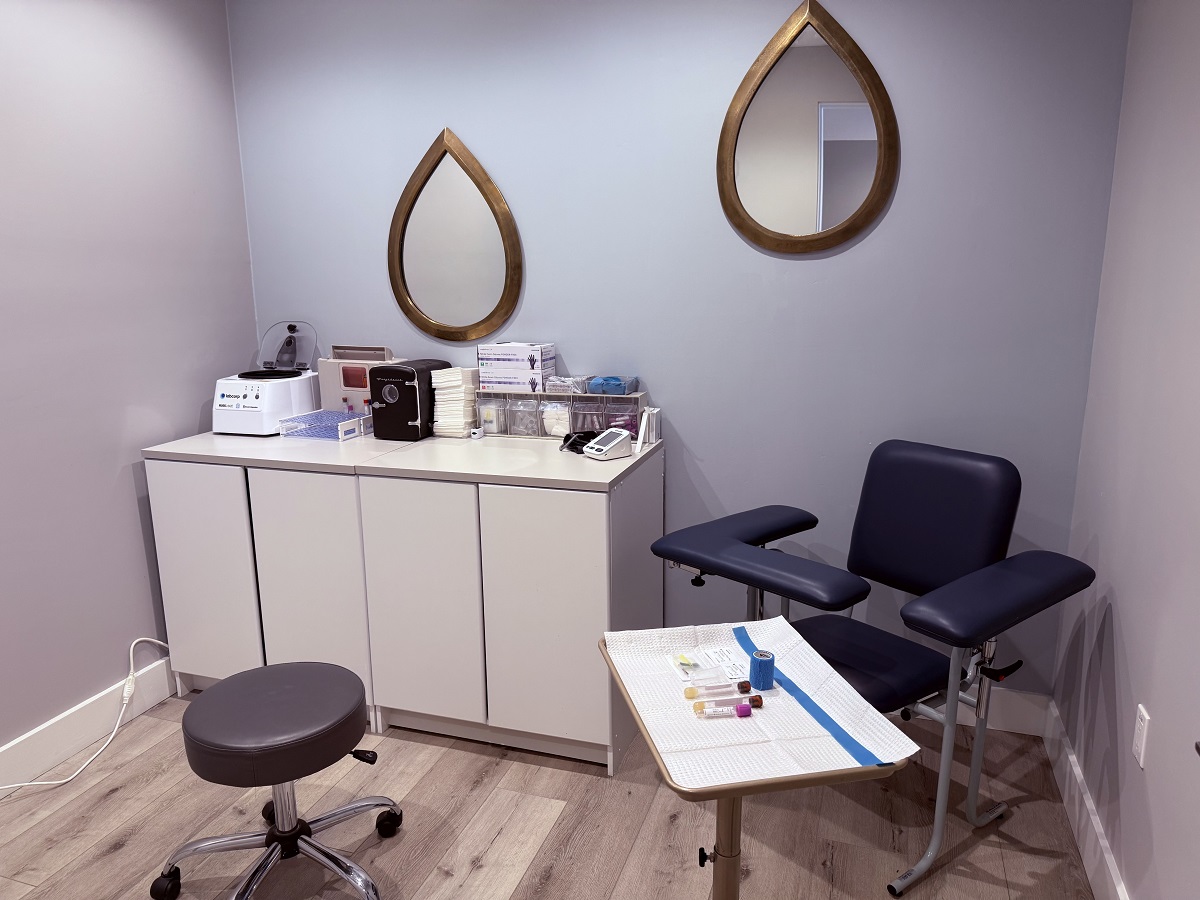

Searching for “Trt replacement therapy near me” sounds simple enough until you realize how uneven the field can be. Two clinics may use the same three letters, TRT, yet offer very different levels of care. One may run a careful medical program with proper diagnostics, individualized dosing, and ongoing follow-up. Another may operate more like a subscription business built around quick prescriptions and broad promises.
That difference matters because testosterone replacement therapy is not a casual wellness add-on. It can help the right patient feel dramatically better. It can also create problems when it is started for the wrong reasons, dosed poorly, or monitored loosely. A great clinic understands both sides of that equation. It does not sell testosterone as a shortcut. It treats hormone care like what it is, long-term medicine that affects energy, mood, body composition, sexual health, sleep, fertility, blood counts, and cardiovascular risk factors.
If you are trying to judge whether a local clinic deserves your trust, the signs are usually visible early. You can hear them in the questions they ask, see them in the way they explain lab work, and feel them in whether the conversation is centered on your health or on closing a sale.
The first sign is medical restraint
The best TRT clinics are not eager in the wrong way. They are thorough before they are enthusiastic.
A reputable provider does not look at one total testosterone number, ask if you are tired, and move straight to treatment. Low testosterone symptoms overlap with half a dozen common issues, including poor sleep, obstructive sleep apnea, high stress, depression, excess alcohol use, obesity, medication side effects, thyroid disorders, and overtraining. Men often arrive convinced they need testosterone because they feel flat, sluggish, or unfocused. Sometimes they do. Sometimes the real issue is six hours of broken sleep and untreated sleep apnea. A weak clinic skips that distinction because it is slower, less convenient, and less profitable.
A strong clinic does the opposite. It tries to rule things in and out. That often means taking a fuller history, asking about libido rather than only fatigue, reviewing past lab trends, discussing body weight changes, and asking whether the patient still wants future fertility. Those are not side questions. They shape whether TRT is appropriate at all.
This kind of restraint can frustrate people who want fast answers, but it is one of the clearest markers of quality. Good endocrine care often begins with someone saying, “Maybe, but let’s verify that.”
Diagnosis should be based on more than symptoms alone
Symptoms matter, but symptoms are not enough. Almost every man with a demanding schedule, inconsistent sleep, and too little exercise could check a few boxes on a low testosterone questionnaire. That does not mean he has clinically meaningful hypogonadism.
A great clinic uses symptoms and labs together. That typically means morning testing, because testosterone levels vary through the day, and often repeating the test when results are borderline or do not match the clinical picture. A careful workup may also include free testosterone, sex hormone-binding globulin when relevant, estradiol in selected cases, luteinizing hormone, follicle-stimulating hormone, complete blood count, comprehensive metabolic markers, PSA when appropriate, and thyroid testing if the history suggests it. The exact panel differs by patient, age, symptoms, and medical history. What matters is that the clinic is trying to understand why testosterone is low, not merely proving that it is.
That distinction has practical consequences. If a younger man has secondary hypogonadism related to obesity, sleep issues, or medication effects, a good clinic will discuss those drivers. If lab patterns suggest a pituitary issue, the right next step may not be TRT at all. If a patient is trying to conceive within the next year, the provider should explain that exogenous testosterone can suppress sperm production. Patients are often shocked to learn this because low-grade clinics fail to mention it until much later, if ever.
Good clinics are candid about who should slow down
This is one of the easiest ways to separate a clinic with medical standards from one built on momentum. A trustworthy provider is comfortable telling some people not to start yet.
That might include the man in his early thirties whose total testosterone is low-normal after months of severe sleep deprivation, the patient with untreated obstructive sleep apnea, the person using opioids or anabolic steroids, or the older patient whose symptoms are better explained by cardiovascular deconditioning and depression. It may also include someone with elevated hematocrit, unstable heart disease, or other red flags that need attention before therapy becomes a serious option.
There is real clinical judgment here. Not every borderline case should be denied treatment, and not every abnormal lab means TRT is unsafe. The point is not rigid gatekeeping. The point is that a great clinic understands timing. Sometimes the best care is to treat the problem behind the hormone problem first.
The consultation should feel like medicine, not a pitch
Patients can usually sense within ten minutes what kind of clinic they are dealing with.
At a high-quality clinic, the consultation is specific. The clinician asks follow-up questions that show they are listening. If you mention low libido but preserved morning erections, they may explore psychological stressors, medications, or relationship context. If you mention fatigue after lunch and brain fog, they may ask about sleep apnea, glucose control, and workload, not only testosterone. If you mention weight gain around the midsection, they should talk about insulin resistance and lifestyle patterns as part of the picture.
At a lower-quality clinic, the conversation stays broad and flattering. You hear sweeping promises about feeling like your younger self again. You are told that low T is underdiagnosed in almost everyone. The clinic may emphasize convenience, shipping, and membership perks before it has made a convincing diagnosis. That is rarely a good sign.
Professionalism also shows up in what is not promised. No ethical provider can guarantee fat loss, muscle gain, sharper focus, and stronger erections on a fixed timeline. Some men feel better within weeks. Others improve gradually over several months. Some notice changes in libido before energy. Some experience little benefit and need reevaluation. A great clinic says that plainly.
Follow-up is where quality really reveals itself
Starting TRT is not the hard part. Managing it well over time is.
A clinic can make a strong first impression and still fail at the essentials. The real test is how it handles follow-up, dose adjustments, side effects, and changing goals over the next six to twelve months. Great clinics do not disappear after the prescription is written.
You want a provider who explains what will be monitored and why. Blood counts matter because testosterone can raise hematocrit in some men. Estradiol may matter in selected patients, but should not become a source of reflexive over-treatment. PSA and prostate discussions should be individualized rather than fear-driven. Blood pressure, sleep quality, edema, acne, mood shifts, and libido changes should all be part of follow-up conversations, not afterthoughts.
The timing matters too. Seeing a patient back only once a year after initiating therapy is usually too loose. On the other hand, ordering huge panels every few weeks without a clear reason may be more about billing than care. The best clinics find a sensible rhythm. Early follow-up tends to be closer together, then spacing adjusts once the patient is stable.
This is also where experience shows. Good clinicians know that “more” is not automatically “better.” A patient whose energy improved modestly but whose hematocrit climbed sharply may need a change in protocol, not a dose increase. Someone with high peaks and low troughs on injections may do better with altered frequency rather than a larger total amount. Someone who develops irritability, acne, or fluid retention needs interpretation, not guesswork.
Individualized treatment matters more than brand names
Patients often focus on whether a clinic offers injections, creams, pellets, or other delivery methods. That matters, but not as much as the clinic’s ability to match the method to the patient.
There is no universally perfect format. Injections work well for many men and are often cost-effective, but they are not ideal for everyone. Topical therapy avoids needles and may provide steadier delivery for some, though transfer risk and absorption variability can be limiting. Pellets appeal to men who dislike frequent dosing, but Trt replacement therapy near me they reduce flexibility if levels land too high or too low. Nasal and oral formulations may have niche roles in specific scenarios.
A great clinic explains these trade-offs in plain language. It does not pretend that one method is superior for all patients because that is what the clinic stocks most easily. It also does not force treatment into a preset package. Someone who travels frequently, has a needle aversion, wants flexible dose adjustment, or is balancing fertility concerns needs a tailored conversation.
The same goes for add-on medications. In some clinics, men are placed on testosterone plus multiple other drugs almost automatically. That should raise an eyebrow. Extra prescriptions may be appropriate in selected cases, but they should not function as a default bundle. Quality care usually looks more measured than that.
Fertility is a major dividing line between average and excellent care
This topic is neglected far too often.
Many men seeking TRT are in their thirties or forties and either want children in the future or are not sure yet. Exogenous testosterone can suppress the body’s own signaling to the testes, sometimes reducing sperm production substantially. A clinic that glosses over this is not practicing careful medicine.
A strong clinic asks about fertility plans before treatment begins, not after the patient notices a problem. If fertility matters, the provider should discuss alternatives, fertility-preserving strategies when appropriate, or referral to a specialist when the case is more complex. Even men who believe they are done having children deserve the conversation, because people change their minds and life changes with them.
I have seen this become the deciding factor for whether a patient felt truly cared for. Men often expect a discussion about energy or sex drive. They do not expect the doctor to say, “Before we go further, tell me whether future fertility matters to you.” That question signals seriousness. It says the clinic is thinking past the next refill.
The best clinics take side effects seriously without dramatizing them
Hormone therapy conversations tend to swing toward two extremes. On one side, there is marketing that minimizes risk so aggressively it sounds careless. On the other, there is fear-based messaging that treats TRT as inherently reckless. A great clinic avoids both.
Side effects and risks should be discussed directly, with context. Testosterone can increase red blood cell mass. It can Trt replacement therapy near me worsen acne in some men. It may aggravate existing sleep apnea issues or reveal them more clearly. Some men develop breast tenderness, fluid retention, or mood changes. Sexual function may improve, stay the same, or change unevenly depending on the underlying problem. Fertility can be affected. Monitoring matters because individual responses vary.
But quality counseling also means avoiding exaggerated certainty. Not every patient will develop a problem. Not every abnormal symptom is caused by testosterone. Good clinicians look at timing, dose, concurrent conditions, and lab data before making adjustments. They do not chase every complaint with another medication. They also do not dismiss a patient who says, “Something feels off.”
That balance, calm but attentive, is one of the marks of a mature practice.
Convenience is valuable, but it should not replace substance
Telemedicine has changed access to hormone care, often for the better. Men in smaller towns or busy professionals who cannot carve out midweek clinic time may benefit from remote follow-up and home delivery. There is nothing inherently inferior about a hybrid or telehealth model if the medical standards are solid.
Still, convenience should never be the main evidence of quality. Fast onboarding, online forms, and auto-ship plans are operational features, not proof of excellent care. A great TRT clinic can be modern and accessible while still being medically disciplined. If anything, telemedicine makes discipline more important because subtle warning signs can be easier to miss when care becomes transactional.
If you are evaluating a clinic after searching “Trt replacement therapy near me,” look closely at how accessible the clinical team is when problems arise. Can you ask informed follow-up questions and get a coherent answer from a licensed provider, or do you mostly interact with sales staff and generic support channels? That difference becomes obvious the first time labs come back unexpectedly high, symptoms change, or a shipment is delayed while your dose plan is in flux.
What to listen for when you make first contact
Early conversations tell you a lot. The tone matters as much as the information.
Here are a few green flags worth noting:
- They ask about symptoms, sleep, medications, fertility, and medical history before discussing treatment.
- They explain that diagnosis requires appropriate labs and sometimes repeat testing.
- They describe monitoring clearly, including blood counts and follow-up timing.
- They talk through options and trade-offs instead of pushing one standard protocol.
- They avoid guarantees and speak realistically about outcomes.
None of these points is flashy. That is the point. Good medicine often sounds less exciting than sales copy.
Pricing transparency matters more than cheap monthly rates
Cost is part of quality because opaque pricing often hides poor structure.
Some clinics advertise a low entry price, then layer on fees for consultations, labs, supplies, follow-up reviews, shipping, or mandatory supplements. Others charge a premium but include appropriate monitoring and responsive clinician access. Neither high cost nor low cost tells the full story by itself. What you want is clarity.
Ask what is included, what is optional, how often lab work is expected, whether dose changes trigger extra charges, and how refill timing is handled. If the answers are vague or constantly shifting, that is a concern. The same goes for clinics that lock patients into long commitments before therapy has even been stabilized. Strong clinics usually have straightforward financial policies because they expect scrutiny.
There is also a practical reality here. Proper hormone care is rarely the cheapest option available. It requires qualified staff, careful review, and ongoing monitoring. Bargain-basement medicine often cuts corners somewhere, and with TRT those corners tend to show up in the places that matter most.
Local reputation still counts
Reviews are imperfect, but patterns are useful. I would pay less attention to generic comments like “great place” and more attention to specific themes. Do patients mention that the staff explained labs clearly? Do they describe thoughtful follow-up and dose adjustments? Do they say the clinic listened when symptoms did not match the numbers? Those details matter.
Professional referrals matter too. Primary care physicians, urologists, sleep specialists, and fertility doctors often know which local hormone clinics approach care responsibly. Even if they do not provide TRT themselves, they may know who does it well and who overprescribes. That sort of local reputation is often more revealing than polished marketing.
A clinic that works well with outside physicians is usually a good sign. Hormone therapy should not exist in a silo. If a patient has hypertension, diabetes risk, sleep apnea, or fertility questions, coordinated care is a strength.
A great clinic respects the long game
TRT is rarely a one-decision event. It is an ongoing relationship with a therapy that can meaningfully improve quality of life when used thoughtfully. The best clinics act like they understand that from the beginning.
They do not rush the diagnosis. They do not flatten every symptom into low testosterone. They do not rely on hype, and they do not hide the trade-offs. They monitor with purpose. They adapt treatment to the patient rather than fitting the patient into a template. They keep fertility, safety, and long-term outcomes on the table from day one.
That is what you are really looking for when you search for “Trt replacement therapy near me.” Not just proximity. Not just speed. Not just a prescription. You are looking for a clinic that combines access with judgment, confidence with restraint, and convenience with actual medical care.
When you find that combination, it tends to feel different right away. The conversation is more detailed. The promises are more modest. The plan is more personalized. And strangely enough, that often makes the clinic more trustworthy, not less. The right provider knows that hormone therapy can be helpful, sometimes life-changing, but only when the fundamentals are handled well. That is what makes a great TRT clinic.
SDBody La Jolla
Address: 7710 Fay Ave, La Jolla, CA 92037
Phone number: +18584012383
FAQ About Trt replacement therapy near me
Will insurance pay for TRT therapy in La Jolla, CA?
Coverage varies by plan and may depend on the diagnosis, blood test results, medication and prior authorization. Ask your insurer which visits, lab tests and formulations it covers and what you would pay out of pocket.
What is the most affordable TRT clinic in La Jolla?
Compare written estimates for the initial visit, lab work, medication and follow-up monitoring. Your total cost will depend on your insurance and the care your clinician recommends.
Is TRT replacement good for you in La Jolla, CA?
Testosterone replacement may help some people with symptoms and consistently low testosterone confirmed by blood tests. A clinician can review the potential benefits, risks, fertility plans and monitoring needs before recommending treatment.